
Dishwasher Maintenance: Filters, Loading and Warning Signs
By OK Appliance Repair · Published · Updated
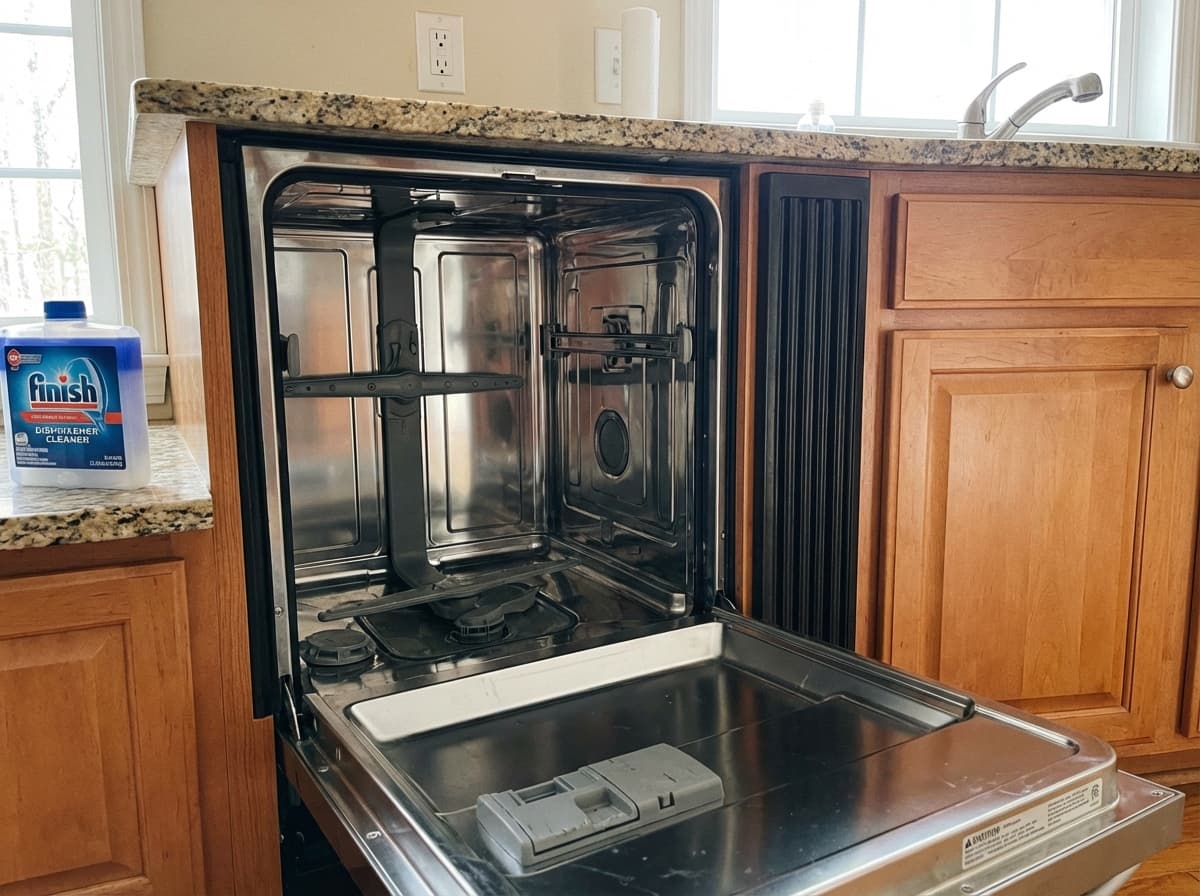
Build a model-specific dishwasher care routine and learn which changes in cleaning, drainage or leakage deserve a service call.
Food left on dishes, a new smell or residue in the tub can make you wonder whether the dishwasher needs cleaning or repair. Begin with the filter and loading instructions for your model. Skip improvised mixtures of cleaners. The checks below will help you describe what has changed and decide when to ask for service.
After everyday use
When the interior has cooled, look for items preventing the door from closing normally or obstructing the racks. Note recurring debris, residue or a new odor. Make a note if this is new or happens every wash.
Clean only the filters your manual identifies
Whirlpool advises consulting the model instructions for filter removal and cleaning. If removal is intended for the owner, follow the specified method and lock the filter back in place before use. Do not force an unfamiliar part or operate the machine with a filter left on the counter.
Use an appropriate cleaner
Choose a dishwasher-safe cleaning product permitted by the manufacturer and follow its dose and cycle directions. Never mix cleaning chemicals. Do not add salt unless the machine has a water-softener system and the manual requires the appropriate dishwasher salt.
Review the way dishes are loaded
Give dishes the spacing and orientation recommended in the manual. Do not crowd the dispenser or force the rack against the door. Keep track of the detergent type and whether poor results started after a change in product or loading habits.
Separate a care issue from a repair symptom
- A new leak: stop using the dishwasher and follow the leaking-door guide.
- Water remaining after the cycle: record the level and any displayed code.
- A problem after plumbing or disposal work: tell the installer or repair company what changed.
- Repeated poor washing despite the permitted care steps: arrange diagnosis rather than repeatedly adding stronger cleaners.
Do not pull a built-in dishwasher out to inspect hoses or wiring as part of routine cleaning. Access, water connections and electrical isolation must be handled properly.
Keep the model number with your manual so you do not have to hunt for it when something goes wrong. When you call, describe the change: dirty dishes, standing water, a leak or a new sound. Our diagnostic charge is $85, waived if you proceed with the repair.
Manufacturer and safety references
These references explain the general care principles discussed above. Use your exact model manual for procedures.
Need help with this appliance?
Explore dishwasher repair in Charlotte and check our service areas.
Call (980) 301-6530